
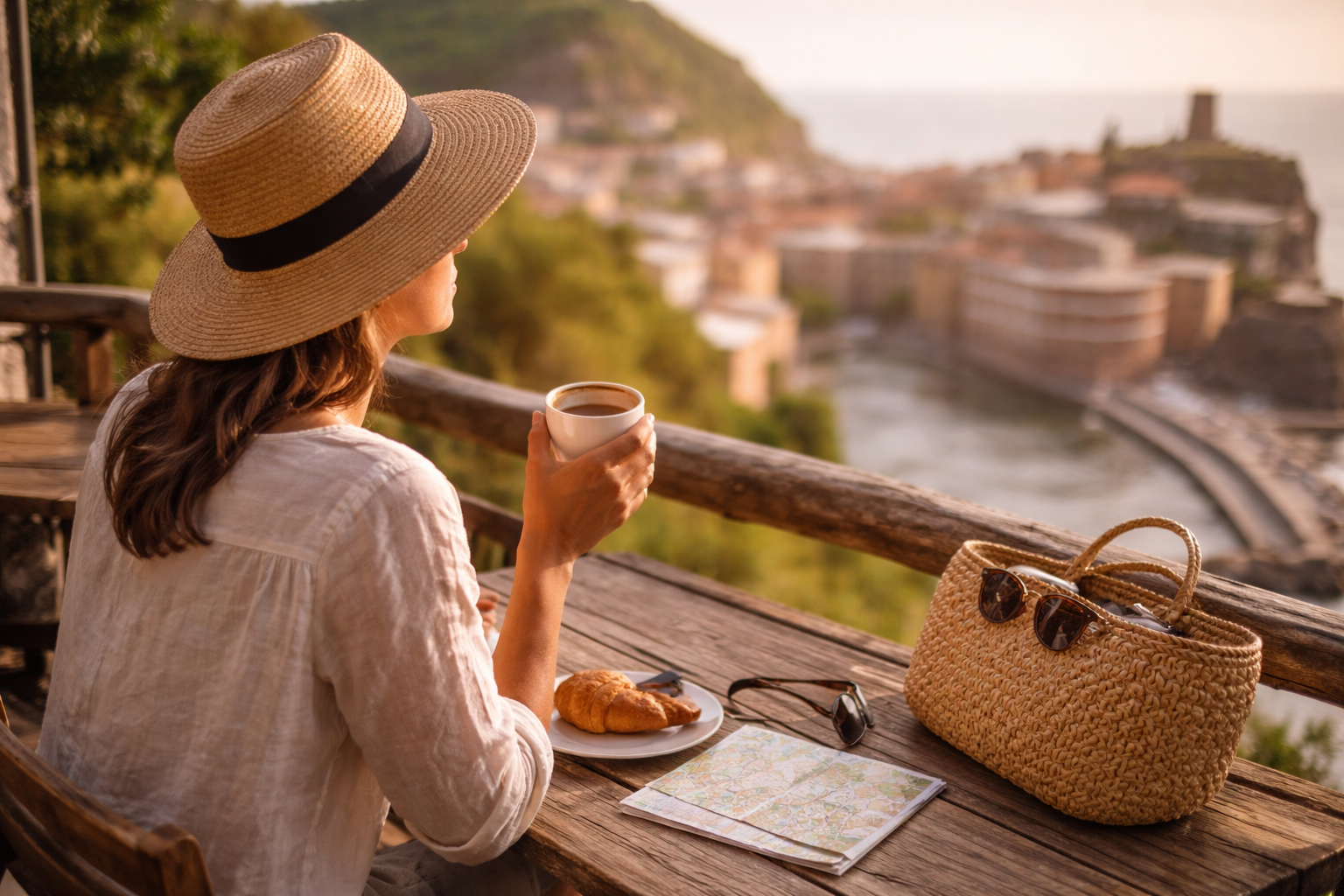
Traveling often comes with a sense of urgency.
People plan trips with tight schedules, long lists of places to visit, and the idea that they need to see as much as possible in a limited amount of time. At first, this seems efficient. But in practice, it often leads to the opposite of what people are looking for.
Instead of feeling relaxed or fulfilled, many trips end up feeling rushed.
That’s where slow travel offers a different perspective.
What “Traveling Slowly” Actually Means
Slow travel doesn’t mean doing less. It means experiencing more with less pressure.
Instead of trying to visit many places in a short time, the focus shifts to spending more time in fewer locations. This allows for deeper experiences and a more natural rhythm.
It’s not about removing structure completely. It’s about reducing unnecessary urgency.
Why Fast Travel Often Feels Exhausting
When a trip is packed with activities, it leaves little room to actually enjoy the experience.
Moving constantly—between cities, attractions, and schedules—creates physical and mental fatigue. There’s always something next, something to catch, something to fit in.
Over time, this turns the trip into a checklist rather than an experience.
Slower Travel Creates Stronger Memories
When you spend more time in one place, you start noticing details.
The way a street looks in the morning versus the evening. The rhythm of local life. The small, everyday moments that are usually missed when moving quickly.
These details are often what people remember the most.
They give depth to the experience.
You Start to Feel the Place, Not Just See It
There’s a difference between visiting a place and experiencing it.
Fast travel often focuses on landmarks. Slow travel focuses on atmosphere.
Sitting in a café, walking without a fixed destination, observing daily life—these moments create a stronger connection to the place.
Instead of just seeing, you begin to feel the environment.
Less Pressure, More Flexibility
A slower pace removes the constant pressure to “optimize” every moment.
Plans become more flexible. There’s room to adjust based on how you feel, the weather, or unexpected discoveries.
This flexibility often leads to better experiences than rigid planning.
Travel Becomes More Relaxing
Many people travel to relax, but end up more tired than before.
Slowing down changes that.
When there’s less rushing, less planning stress, and fewer transitions, the trip starts to feel more like a break rather than a task.
This is where travel becomes genuinely restorative.
Better Connection With Local Life
Spending more time in one place increases the chances of interacting with local culture in a natural way.
Instead of moving quickly between tourist spots, you begin to notice how people actually live.
This creates a more authentic experience.
Fewer Places, Better Experiences
There’s a common idea that a “good trip” is one where you visit as many places as possible.
But often, the opposite is true.
Fewer places, experienced more deeply, tend to create more meaningful memories than a long list of quick visits.
Letting Go of the Checklist Mentality
One of the hardest parts of traveling slowly is letting go of the idea that you need to see everything.
It requires accepting that some places will be missed—and that’s okay.
This shift removes pressure and allows you to focus on what you’re actually experiencing, instead of what you might be missing.
Final Thoughts
Travel doesn’t need to be fast to be meaningful.
By slowing down, you give yourself space to experience places more fully, notice more details, and enjoy the journey without constant pressure.
In many cases, the best travel experiences are not the ones where you saw the most—but the ones where you felt the most connected.