
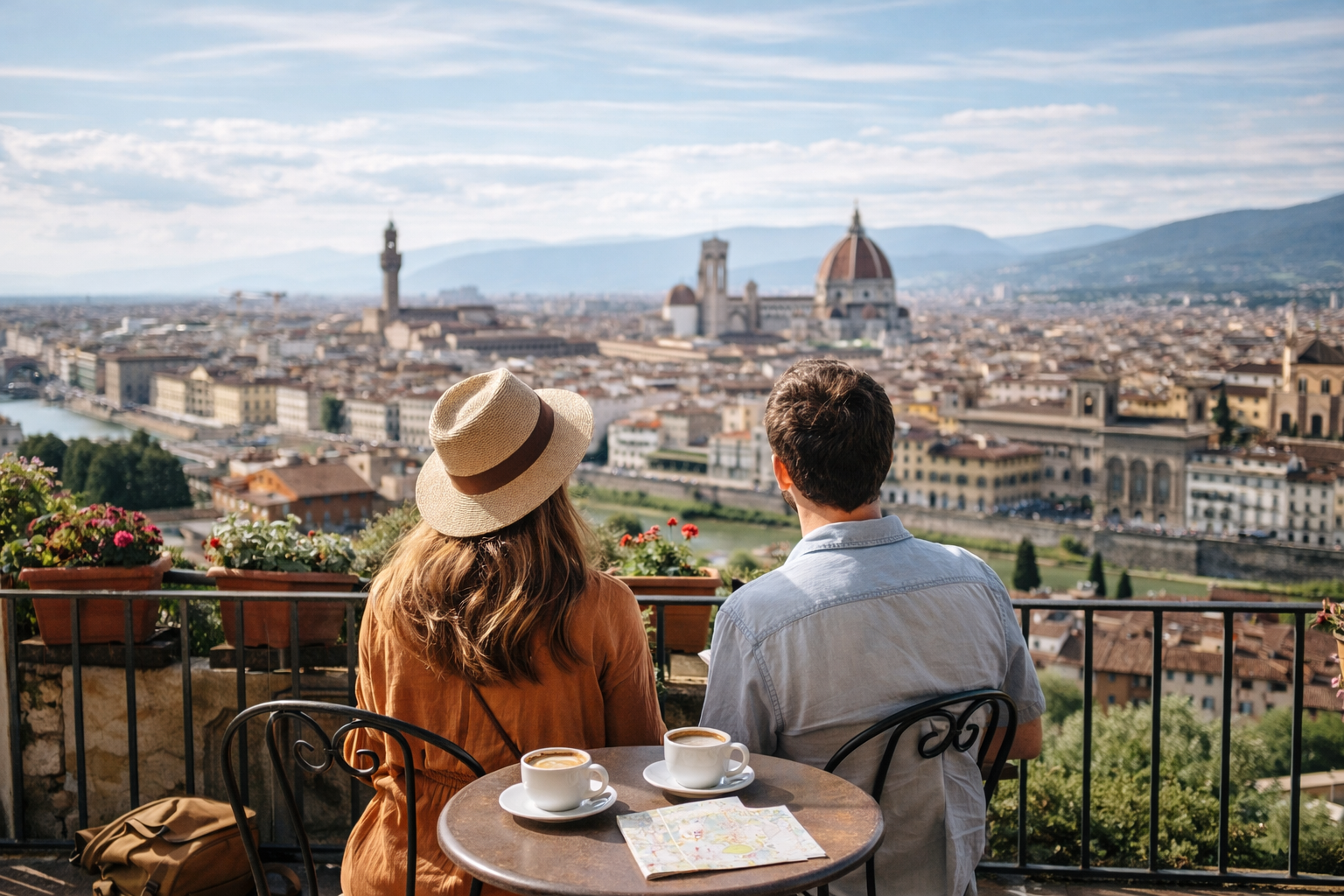
Travel is often imagined as a break from routine, a chance to slow down and experience something different. But in practice, many trips end up feeling surprisingly rushed. Days are packed, schedules are tight, and there’s a constant sense of needing to move from one place to the next. Instead of feeling relaxed, people often return from trips feeling tired.
This happens because travel is frequently approached with the wrong objective. Instead of focusing on experience, the focus shifts to coverage—seeing as much as possible in as little time as possible. While that approach may seem efficient, it often reduces the quality of the experience itself.
The Problem With Trying to See Everything
When planning a trip, it’s natural to want to make the most of the time available. This usually leads to long lists of places to visit, activities to complete, and locations to check off. On paper, it looks like a well-planned itinerary. In reality, it often creates pressure.
Moving constantly from one place to another leaves little time to actually absorb the environment. There’s always something next, which makes it difficult to fully engage with what’s happening in the moment. Over time, the trip starts to feel more like a sequence of tasks than an experience.
Why Slowing Down Changes Everything
Slowing down doesn’t mean doing less—it means experiencing more of what actually matters.
When you spend more time in fewer places, your attention shifts naturally. Instead of focusing on what’s next, you begin to notice what’s around you. Details become more visible, and the environment starts to feel more familiar.
This creates a deeper connection to the place, even if you don’t visit as many attractions.
The Role of Unstructured Time
One of the most valuable parts of travel is often the time that isn’t planned.
Unstructured time allows for spontaneity. You might discover a place by accident, spend longer somewhere than expected, or simply enjoy doing nothing for a while. These moments rarely fit into a strict itinerary, but they often become the most memorable parts of a trip.
When every moment is scheduled, there’s no room for this kind of experience.
Travel Should Match Your Energy, Not Fight It
A common issue with fast-paced travel is that it ignores how you actually feel.
Long days, constant movement, and tight schedules can quickly lead to fatigue. When energy drops, even interesting experiences start to feel like obligations rather than opportunities.
Adjusting your pace based on how you feel makes the trip more sustainable. It allows you to stay engaged instead of pushing through exhaustion.
Fewer Places, Better Experiences
There’s a tendency to measure trips by how many places were visited.
But more locations don’t necessarily mean a better experience. In many cases, visiting fewer places more deeply creates stronger memories than rushing through many.
Spending time in one area allows you to understand its rhythm, rather than just passing through it.
Letting Go of the Need to Optimize
Travel planning often becomes an exercise in optimization—trying to fit everything in, minimize downtime, and make every moment count.
The problem is that this mindset creates pressure. It turns the trip into something that needs to be executed correctly, rather than experienced naturally.
Letting go of this need to optimize allows the trip to unfold more organically.
The Importance of Presence
Being present is what makes travel meaningful.
When your attention is constantly on what’s next, it becomes difficult to fully experience where you are. Slowing down helps shift that focus back to the present moment.
This is where travel becomes less about movement and more about experience.
Why “Doing Less” Often Feels Better
There is a point where doing more stops adding value.
After a certain level of activity, additional plans start to reduce enjoyment instead of increasing it. Recognizing this point allows you to adjust your approach and avoid unnecessary fatigue.
Doing less, with more attention, often leads to a better overall experience.
Final Thoughts
Travel doesn’t need to be packed to be meaningful.
By reducing pressure, slowing down, and focusing on fewer experiences, it becomes possible to enjoy trips in a more natural and satisfying way. The goal is not to see everything, but to experience something fully.
And in many cases, that shift in approach is what makes travel feel truly worthwhile.