
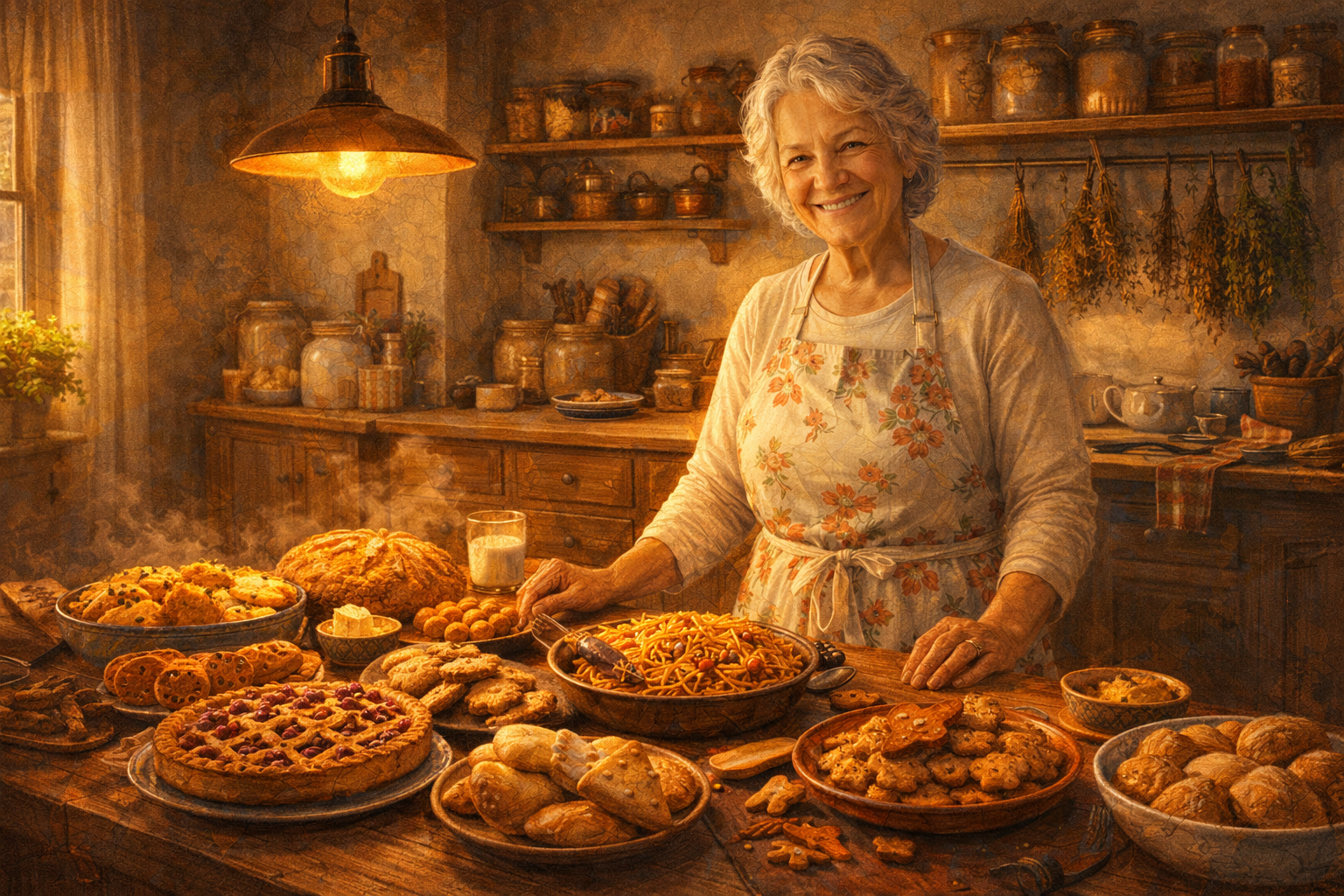
Every family has them. Recipes that grandma made from memory, never wrote down, and took with her when she left. Dishes that tasted like home, like childhood, like everything was going to be okay. And now they’re gone — replaced by convenience and speed.
These forgotten recipes weren’t fancy. They were honest. Simple ingredients, slow cooking, and a generosity of spirit that no meal kit can replicate. Here are the classics that deserve to come back.
Homemade Chicken and Dumplings
Not the canned version. Real chicken and dumplings — a whole chicken simmered for hours until the broth is rich and golden, with pillowy dough balls dropped in to cook in the steam. The kind that fills the house with a smell that makes everyone drift toward the kitchen.
Grandma didn’t use a recipe. She knew by feel when the broth was right, when the dumplings were ready, when the whole pot had reached that point of perfection that only patience produces. The dish takes three hours. It feeds a crowd. And it heals whatever needs healing.
Cast Iron Cornbread
Real cornbread — the kind baked in a screaming hot cast iron skillet with bacon grease — is a vanishing art. No sugar. No flour. Just cornmeal, buttermilk, egg, and the sizzle of batter hitting hot fat that creates a crust you can hear from across the room.
The cast iron is non-negotiable. It creates the crispy, almost caramelized bottom crust that defines proper cornbread. Modern recipes adding sugar and flour produce cake, not cornbread. Grandma knew the difference.
Pot Roast Sunday
A tough cut of beef — chuck, usually — browned in a Dutch oven, then buried in onions, carrots, and potatoes with a cup of broth. Into the oven at low heat before church, ready when the family gets home. The meat falls apart at the touch of a fork.
Pot roast was never about the recipe. It was about the ritual. Sunday meant family at the table, a meal that cooked itself while everyone was away, and leftovers that made Monday’s sandwiches the best of the week.
From-Scratch Biscuits
Biscuits from a can are a different food entirely from biscuits made with flour, cold butter, and buttermilk. The real ones have layers — visible, flaky, buttery layers that come from handling the dough as little as possible and folding it just enough times.
Grandma could make a batch in ten minutes with her eyes closed. The technique was in her hands — the quick cutting of cold butter into flour, the gentle pat-down, the precise thickness before cutting rounds. Speed and lightness of touch were everything.
Bread Pudding From Stale Bread
Nothing was wasted in grandma’s kitchen. Stale bread became bread pudding — cubed, soaked in a mixture of eggs, milk, sugar, vanilla, and cinnamon, then baked until the top was golden and the inside was custardy and warm.
Every family had their variation. Raisins or no raisins. Bourbon sauce or vanilla cream. Chocolate chips for the grandkids. The base recipe was the same, but the personal touches were what made each family’s version uniquely theirs.
Slow-Cooked Beef Stew
Not the quick weeknight version. The real stew — beef cubes browned until deeply caramelized, then simmered for hours with potatoes, carrots, celery, and onions in a broth that thickens naturally as the collagen from the meat breaks down.
The secret was always time. No shortcut replicates what four hours of gentle simmering does to tough beef and root vegetables. The flavors meld, the broth deepens, and the meat reaches a tenderness that melts on the tongue.
Handmade Pasta
Before pasta came in boxes, it came from the kitchen table. Flour, eggs, salt. Mixed, kneaded, rolled thin by hand — or later by a hand-cranked machine — and cut into whatever shape the meal called for.
The texture of handmade pasta is incomparably different from dried. It’s tender, silky, and absorbs sauce in a way that factory pasta never does. The process is meditative. The result is transcendent. And it takes less than an hour from flour to plate.
Fruit Preserves and Jams
Grandma’s pantry had rows of glass jars filled with jewel-colored preserves — strawberry, peach, blackberry, fig — made during summer harvest and saved for winter mornings. The process was simple: fruit, sugar, heat, and time.
Homemade preserves taste nothing like store-bought. The fruit flavor is brighter, the texture is more interesting, and the sweetness is balanced rather than overwhelming. A jar of homemade jam on toast with butter is a luxury that costs almost nothing to produce.
Pie Crust From Scratch
The all-butter pie crust is a lost skill that defines the difference between a homemade pie and an assembled one. Cold butter, flour, a touch of ice water, and the confidence to handle the dough quickly and minimally.
Store-bought crusts are consistent but lifeless. A handmade crust — flaky, buttery, slightly irregular — tells everyone at the table that someone cared enough to make it from scratch. That message is baked into every bite.
Why These Recipes Disappeared
Convenience won. Faster options, longer work hours, smaller families, and the decline of home cooking as a daily practice pushed these slow, simple recipes to the margins. When you can buy a rotisserie chicken and canned biscuits, spending three hours on chicken and dumplings feels like a luxury.
But luxury is exactly what these recipes offer. Not the luxury of expense — the luxury of time, attention, and care. In a world optimized for speed, the deliberate slowness of grandma’s cooking is a form of resistance that feeds both body and soul.
How to Bring Them Back
Talk to the oldest person in your family. Ask them what they ate growing up and how it was made. Record the conversation. Write down the measurements, even if they’re “a handful” and “until it looks right.”
Cook one recipe this weekend. Not perfectly. Not efficiently. Just cook it slowly, the way it was meant to be made. The kitchen will smell different. The food will taste different. And something small but important will feel like it’s been restored.
Frequently Asked Questions
I don’t have my grandmother’s recipes. Where do I start?
Community cookbooks, church recipe collections, and online archives of regional cooking are excellent sources. Cookbooks from the 1950s-1970s often contain the most authentic versions of these dishes.
Are these recipes unhealthy by modern standards?
They use butter, lard, and cream — but in reasonable quantities. Grandma’s portions were smaller and meals were less frequent. The ingredients were whole and unprocessed, which matters more than fat content.
Can I adapt these for dietary restrictions?
Most can be adapted. Gluten-free flour works in biscuits and pie crust. Plant-based butter substitutes work in most baking. The key is maintaining the technique even when ingredients change.
How do I learn techniques that require feel rather than measurement?
Practice and repetition. Make biscuits five times and your hands will learn when the dough is right. Watch videos of experienced home cooks. And accept that the first attempt won’t match grandma’s — the fifth one will be closer.
Why does grandma’s food taste better in memory?
Partly nostalgia, partly real. She used ingredients like lard and full-fat dairy that modern recipes avoid. She cooked longer and slower. And the emotional context — safety, love, family — genuinely affects how we perceive flavor.
Recap
Nine forgotten recipes that deserve revival: chicken and dumplings, cast iron cornbread, Sunday pot roast, from-scratch biscuits, bread pudding, slow-cooked beef stew, handmade pasta, fruit preserves, and handmade pie crust. Each represents a tradition of patience and care that modern convenience has pushed aside.
Conclusion
Grandma’s recipes weren’t complicated. They didn’t require special equipment or rare ingredients. They required something that’s become genuinely scarce: time and the willingness to spend it on feeding people you love.
Every recipe you revive is a connection restored. To your family’s history, to a slower way of living, and to the simple truth that the best food comes from patience, not packages.
The kitchen is waiting. The recipe doesn’t have to be perfect. It just has to be made.